Quick Summary
Clearing out a whole house is a job most people do once or twice in their lives, which means almost everyone learns it the hard way. There is a right order to it. Get your supplies and container access sorted before the first day, do one pass for paperwork and valuables, then start in the garage rather than the bedroom and work inward. Sort into four piles in a staging area, break furniture down as you go, keep hazardous items out of the container, and load heavy and flat first so you use the space you are paying for. What follows is the whole sequence, in the order you will actually need it.
Get Set Up Before the First Day
Nearly everyone starts a cleanout by opening the front door and beginning. An hour of preparation saves a day of stopping and going to the shop.
Have your supplies on hand before anybody arrives. You will use far more boxes and bags than you expect, and running out mid-room is what turns an organised day into a pile.
- Heavy-duty contractor bags, not kitchen bags, which split under weight
- Boxes in two or three sizes, plus packing tape
- Thick markers and coloured stickers or tape for labelling piles
- Work gloves for everyone, and dust masks for attics and under sinks
- A box cutter, a basic screwdriver set, an adjustable wrench and a hammer
- A hand truck or furniture dolly, which does more work than an extra person
- Cleaning supplies and a broom for the end of each room
Leave the Utilities Connected
The most common first-timer mistake is having the power and water shut off early to save money. You need lights in a windowless garage, water for cleaning, and working outlets for tools. Keep everything connected until the house is empty, then disconnect.
It is also worth having the mail forwarded before you start, so nothing important arrives at a house nobody is visiting any more.
Work Out Where the Container Will Sit
Decide this before it arrives rather than on the morning. A roll-off needs a clear straight run for the truck, roughly 60 feet of approach, and no low branches or power lines over the drop point, since the container is tipped off the back at an angle.
A driveway is usually the best spot. It keeps the walk short and avoids any question of blocking a street. Laying scrap plywood under the wheels and rails protects the surface, which is worth doing on anything newer or freshly sealed.
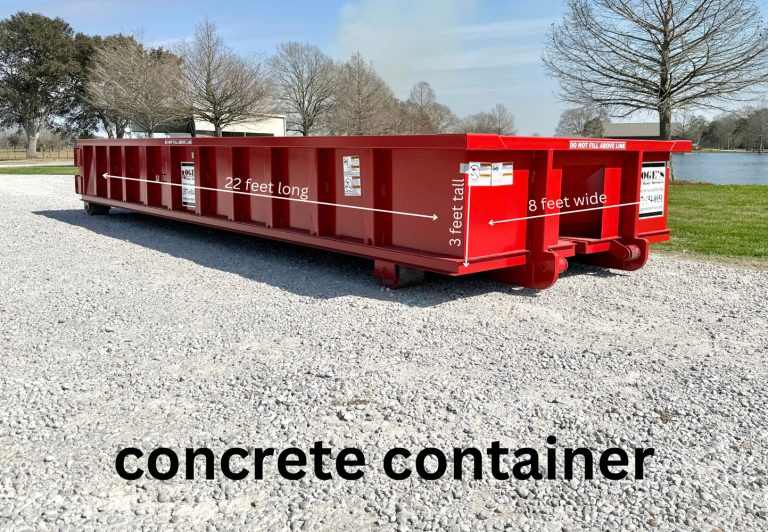
For reference, a 20-yard container is about 22x8x4 feet, so measure the drive rather than guessing.
Do One Pass for Paperwork and Valuables First
Before any sorting begins, walk the house on your own and collect two categories only. Paperwork, and anything small and valuable.
Once helpers start filling bags, small items disappear inside them in good faith. A folder gets bundled with magazines. A jewellery box goes to the donate pile because it looked empty. Going first is the only reliable way to prevent it.
Older houses do not keep valuables where a filing cabinet would suggest. Check inside books, at the back of kitchen drawers, taped behind and underneath furniture, inside coat pockets and in the freezer. All of those are common.
Put what you find in one box and take it with you the same day rather than leaving it in the house.
- Any paperwork at all, gathered now and sorted later at home
- Jewellery, watches, coins and loose cash
- Keys to safes, sheds, vehicles and safe deposit boxes
- Address books, account details and written passwords
- Photographs and letters, particularly loose ones in drawers
Start in the Garage, Not the Bedroom
Room order is the part nobody tells you, and it makes more difference than anything else on this list.
The instinct is to start with the bedroom because it feels like the main event. In practice it is the slowest room in the house, and starting there means spending your freshest day making your hardest decisions with nowhere to put anything.
Start in the garage, shed, laundry or a spare room instead. The contents are mostly tools, chemicals, old paint and boxes nobody has opened in years, so the calls are quick. Clearing one of these first gives you two things you need immediately. Real visible progress, and an empty staging area for everything that comes out of the rest of the house.
Then work inward. Kitchen and bathrooms, then living areas and closets, then bedrooms last. Kitchens are slower than they look because of the cupboards, so give one a full session rather than squeezing it into the end of a day.
Set Up a Staging Area and Sort Into Four Piles
Do not sort in the room you are clearing. Carry things out to the staging area you just made, and sort there. It keeps each room emptying rather than reshuffling, which is the trap that makes a whole house look half-finished for a week.
Work one room to completion, then close the door on it and move to the next. A finished room stays finished.
Everything that leaves a room gets one of four destinations, labelled as it lands so nobody has to decide twice.
- Keep, marked with the name of the person it is going to
- Sell, for anything with genuine resale value
- Donate, for usable items nobody needs
- Dispose, for what is broken, worn out or beyond use
Have Things Valued Before You Sell Them
Jewellery, firearms, tools, artwork, instruments, coins and older solid-wood furniture are the categories most often sold for a fraction of their worth, simply because nobody asked first. One appraisal appointment covers the lot.
Keep an Undecided Box So Nothing Stalls a Room
There will always be a handful of items nobody can call on the spot. Put them in one marked box and keep going rather than letting three objects hold up an afternoon. Deal with that box at the end.
Break Things Down as You Go
This is where first-timers lose the most container space, and it is the difference between one haul and two.
A dresser thrown in whole traps a large volume of empty air inside and around it. The same dresser with its drawers out and its back panel off packs flat against the wall of the container.
Do the breaking down at the staging area, not inside the container, where there is no room to swing anything.
- Take drawers out of dressers and desks, then flatten the carcass if it comes apart
- Remove sofa legs and cut the fabric base so upholstery can be compressed
- Unscrew table legs rather than tipping tables in whole
- Flatten every cardboard box instead of nesting them
- Take doors off wardrobes and cabinets
- Cut down long timber, fencing and carpet rolls so they lie flat
Keep These Out of the Container
Older houses accumulate exactly the materials a landfill will not accept, and they are nearly always in the garage or under the kitchen sink. Separate them into their own corner the moment you find them.
This matters more than it sounds. A container with hazardous material in it can be refused at the gate, which means a delay and a return trip at your cost.
Clean concrete, brick and masonry are a different case. They are not hazardous, only extremely heavy, and they belong in a dedicated container rather than mixed in with household debris.
- Paint, stains, solvents and thinners
- Fuel containers, motor oil and propane tanks
- Pesticides, fertilisers and pool chemicals
- Batteries of any kind, including car batteries
- Tyres
- Some electronics, and appliances containing refrigerant
Where Donations Go in Acadiana
Donating is usually quicker than selling, and every item that goes this way is volume you are not paying to haul.
Call ahead about large furniture. What they can accept depends on its condition and on what they already have on the floor.
- Habitat for Humanity ReStore in Lafayette, on Johnston Street, takes furniture, appliances, cabinets, doors, windows, lighting and building materials, and offers pickup
- Goodwill Acadiana runs attended donation centres and thrift stores across the region for clothing, housewares and smaller items
- Catholic Charities of Acadiana can direct larger household donations to the right place
Load the Container Properly
A roll-off is not a skip you throw things into. Loaded carelessly, a container is full at two thirds of its capacity, and you pay for a second one.
Load in layers, working from the far end back toward the door.
One rule is not negotiable. Nothing may sit above the top rail. An overfilled container cannot be tarped, and a driver is not permitted to haul it, so the whole load waits while somebody unpacks the top of it.
- Heavy flat items first, laid across the floor. Doors, plywood, tabletops, mattresses
- Furniture and bulky items next, stood against the walls rather than dropped in the middle
- Fill the gaps underneath and between with bagged small debris as you go, rather than saving bags for the end
- Keep the weight spread along the length instead of piling it at one end
- Finish level with the top rail, never above it
Use the Door
Most roll-offs have a rear door that swings open, and most people never use it. Opening it means you can walk heavy furniture straight in and place it, instead of lifting everything over a four-foot wall. Load the back third through the door first, then close it and fill the rest over the side.
Choose the Size on Weight, Not Just Space
Sizing advice written for remodels does not apply here. Renovation debris is bulky and light. A household's contents are dense, and it is entirely possible to reach the weight allowance while the container still looks half empty.
So the number that matters is the included tonnage rather than the yardage.
For a typical three-bedroom Acadiana home being cleared completely, the 20-yard is the usual choice at $475 with 2 tons included. For a larger property, or one with a full garage, workshop or shed behind it, take the 30-yard at $600 with 3 tons included, because a second haul costs more than the bigger container did in the first place. Overage runs $100 per ton and delivery is $75 flat, covering both drop-off and pickup.
If you are clearing in stages or only doing part of the house, the 10-yard is $375 and the 15-yard is $400. Clean concrete and masonry go in the dedicated 7.5-yard concrete container at $300.
Allow More Time Than the Hauling Takes
Estimates online range from two days to three months, and both are accurate because they measure different things. Two days is the physical hauling with a full crew. The longer figures are how long it takes a family working weekends to get through the sorting.
Plan on the longer one. Most cleanouts happen on Saturdays over several weeks, not in one continuous push, and a container that has to go back in three days forces the pace.
That is why the rental period runs 28 days, with a text when you are actually finished rather than a fixed collection date.
Key Takeaways
- Buy supplies and work out the container's spot before the first day. Keep the utilities connected until the house is empty.
- Do one pass for paperwork and valuables before anyone starts filling bags.
- Start in the garage or a spare room, not the bedroom. Quick decisions there build momentum and create a staging area.
- Carry things out and sort in the staging area, and finish one room completely before opening the next.
- Break furniture down before it goes in. A whole dresser wastes a large amount of paid-for space.
- Paint, fuel, propane, pesticides, batteries and tyres must stay out, or the container can be refused at the gate.
- Donating through ReStore, Goodwill Acadiana or Catholic Charities cuts the volume you pay to haul.
- Load heavy and flat first, fill the gaps as you go, use the rear door, and never load above the top rail.
- Pick the size on included tonnage rather than yardage. Household contents hit the weight limit before the box looks full.
Frequently Asked Questions
How do you start cleaning out a house?
Get supplies in and sort out where the container will sit, keeping the utilities connected. Then walk the house once collecting paperwork and valuables before anyone else starts. Begin the physical clearing in the garage or a spare room and work inward, leaving bedrooms until last.
What room should you clear first?
The garage, shed, laundry or a spare room. The contents are mostly tools, chemicals and old boxes, so decisions are quick, and clearing one gives you an empty staging area for the rest of the house. Bedrooms and kitchens are the slowest rooms and are better left until you have a rhythm.
What supplies do you need for a house cleanout?
Contractor-grade bags, boxes in a couple of sizes, tape, markers and coloured labels, work gloves, dust masks, a box cutter and basic hand tools, and a hand truck. Buy more bags and boxes than you think you need, since running out mid-room is what stalls a day.
How do you load a dumpster correctly?
Work from the far end toward the door in layers. Heavy flat items across the floor first, then furniture stood against the walls, filling gaps with bagged debris as you go rather than at the end. Use the rear door to walk heavy pieces in. Nothing can sit above the top rail, or the container cannot be tarped and will not be hauled.
What size dumpster do I need for a whole house cleanout?
A 20-yard suits a typical three-bedroom home. Move up to a 30-yard for a larger property or one with a full garage, workshop or shed. Ask about the included tonnage rather than the yardage, because household contents are heavy and the weight limit is what you tend to reach first.
What items cannot go in a dumpster?
Paint, solvents, fuel, motor oil, propane tanks, pesticides, pool chemicals, batteries, tyres and some refrigerant-containing appliances. These need separate disposal. Clean concrete and masonry are accepted but belong in a dedicated concrete container because of their weight.
Where can I donate furniture in Lafayette?
Habitat for Humanity ReStore on Johnston Street takes furniture, appliances and building materials and offers pickup. Goodwill Acadiana has donation centres across the region, and Catholic Charities of Acadiana can direct larger household donations. Call ahead about big furniture, since acceptance depends on condition.
How long does it take to clean out a house?
The hauling itself is one to two days with a full crew. Most families working weekends take several weeks. Plan on the longer figure and choose a rental period that does not force the pace.